
Introduction
In traditional Chinese Feng Shui, ancestral graves are regarded as an important connection between family heritage, the natural environment, and later generations. The condition and location of an old grave may be examined to understand whether the burial site remains peaceful, stable, and harmonious with its surroundings.
The study of old grave Feng Shui is sometimes called ancestral grave assessment or Yin House Feng Shui. Unlike modern cemetery planning, which focuses heavily on accessibility, land use, and maintenance, traditional grave assessment pays close attention to landforms, orientation, water movement, vegetation, soil condition, and changes in the surrounding environment.
An old grave that was considered favorable decades ago may no longer have the same environmental conditions today. Roads may have been constructed nearby, hills may have been excavated, watercourses may have changed direction, or large buildings may have altered the original landscape. Natural erosion, flooding, tree roots, ground settlement, and poor maintenance can also affect the physical condition of the grave.
In Feng Shui tradition, these changes are sometimes interpreted as auspicious or inauspicious signs. However, such observations should not be treated as scientific predictions. They are part of a cultural system used to interpret the relationship between people, ancestors, land, and memory.
A responsible assessment should combine respect for tradition with practical attention to safety, cemetery regulations, environmental protection, and family customs. The following five aspects are commonly considered when examining the Feng Shui condition of an old grave.
1. Examine the Overall Landform and Natural Protection
The first step in assessing an old grave is to study the surrounding landform. Traditional Feng Shui values a burial site that feels supported, protected, and naturally embraced by the landscape.
A gentle hill, raised land, or stable slope behind the grave may be interpreted as symbolic support. Lower hills, trees, or curved terrain on the two sides may create a sense of protection. The area in front of the grave is generally preferred to be open, calm, and visually balanced.
An old grave may be regarded as relatively favorable when the surrounding terrain remains stable, the view is not excessively blocked, and the site is protected from strong wind, flooding, and erosion. The grave should appear naturally connected to the land rather than isolated on an exposed ridge or compressed between steep slopes.
Inauspicious concerns may arise when the land behind the grave has collapsed, been excavated, or cut by a road. A grave located beneath an unstable cliff, beside a deep ditch, or on severely eroded ground may also be considered poorly supported.
Modern development can significantly change the original landform. A highway, factory, transmission tower, quarry, or large residential building may create visual and environmental pressure around the grave. In Feng Shui language, these conditions may be described as disturbing the protective structure of the site.
From a practical perspective, such changes may also cause noise, pollution, vibration, drainage problems, or reduced access. Therefore, landform assessment should include both traditional interpretation and physical safety.
The key question is whether the grave still feels stable, protected, and peaceful within its present environment.

2. Observe the Grave Structure, Soil, and Physical Condition
The physical condition of an old grave is another important factor in Feng Shui assessment. A grave that remains level, dry, clean, and structurally stable is generally viewed more positively than one that is damaged, sunken, or neglected.
Cracks in the tombstone, collapsed soil, exposed burial areas, broken retaining walls, or severe ground settlement may be regarded as unfavorable signs. In many cases, however, these conditions are caused by weather, poor construction, tree roots, animal activity, or long-term erosion.
The soil around the grave should be reasonably firm and well drained. Constantly wet, muddy, or foul-smelling soil may indicate poor drainage or underground water problems. Extremely dry and cracked soil may suggest erosion, lack of vegetation, or prolonged exposure.
Traditional practitioners may also observe the color, texture, and moisture of the soil. Healthy, stable soil is often associated with a calm and supportive environment, while loose, contaminated, or frequently disturbed soil may be interpreted as unstable.
The tombstone should stand upright and face the intended direction. A leaning, broken, or deeply weathered stone may affect both the appearance and symbolic dignity of the grave. However, natural aging should not automatically be treated as a negative omen. Old monuments often require restoration simply because of time and climate.
Family members should also check whether inscriptions remain readable and whether the name, dates, and family information are correct. Damaged or incorrect inscriptions can create practical problems and may be seen as disrespectful to the deceased.
Regular cleaning, careful repairs, vegetation control, and proper drainage can improve the condition of an old grave. Any repair work should follow local cemetery rules and avoid disturbing the burial structure without professional guidance.
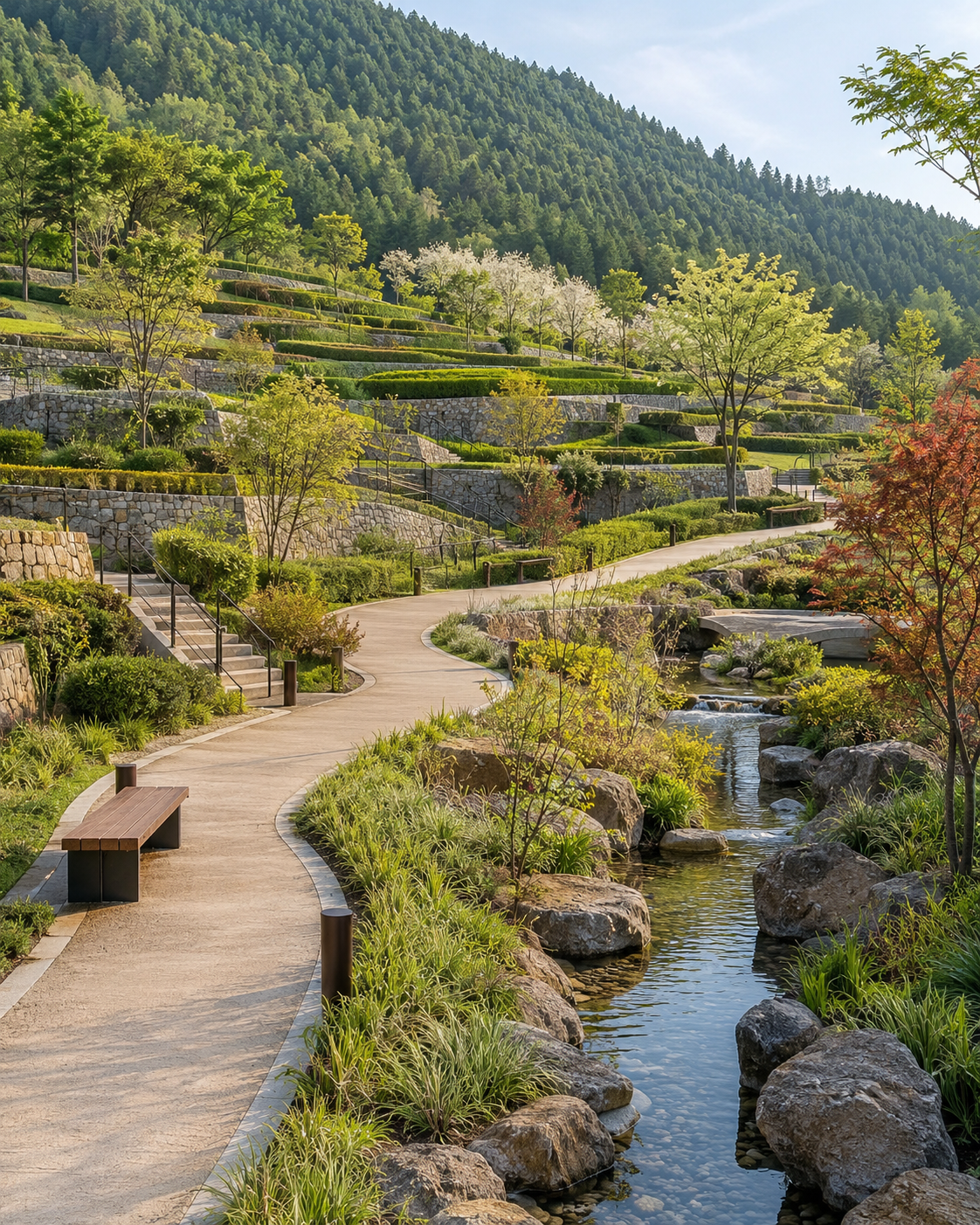
3. Assess Water Flow, Drainage, Roads, and External Changes
Water is considered an important element in Feng Shui because it is associated with movement, collection, and environmental vitality. When assessing an old grave, attention is often given to nearby rivers, ponds, drainage channels, roads, and changes in the flow of water.
A distant, clean, gently moving watercourse may traditionally be viewed as favorable when it curves naturally through the landscape. In contrast, fast water rushing directly toward the grave, stagnant water collecting nearby, or repeated flooding may be considered unfavorable.
Water should not undermine the grave foundation or cause long-term dampness. If rainwater flows directly across the burial plot, drainage improvements may be necessary. Blocked channels, leaking pipes, and nearby construction can also create new water problems that did not exist when the grave was first built.
Roads are often interpreted in a similar way because they carry continuous movement. A gently curved road at a reasonable distance may have little negative effect, while a busy road pointing directly toward the grave may be considered disturbing.
Traffic noise, headlights, vibration, and dust can also reduce the peaceful atmosphere of an ancestral burial site. A new road cutting through the front, back, or sides of the original landform may be viewed as damaging the site’s balance.
Other external changes should also be examined. These may include newly erected poles, towers, walls, drains, buildings, or industrial facilities. In traditional Feng Shui, sharp structures directed toward the grave may be described as harmful forms. In practical terms, they may create visual pressure, safety concerns, or environmental disruption.
Because landscapes change over time, an old grave should be assessed according to its current surroundings rather than only its original design.
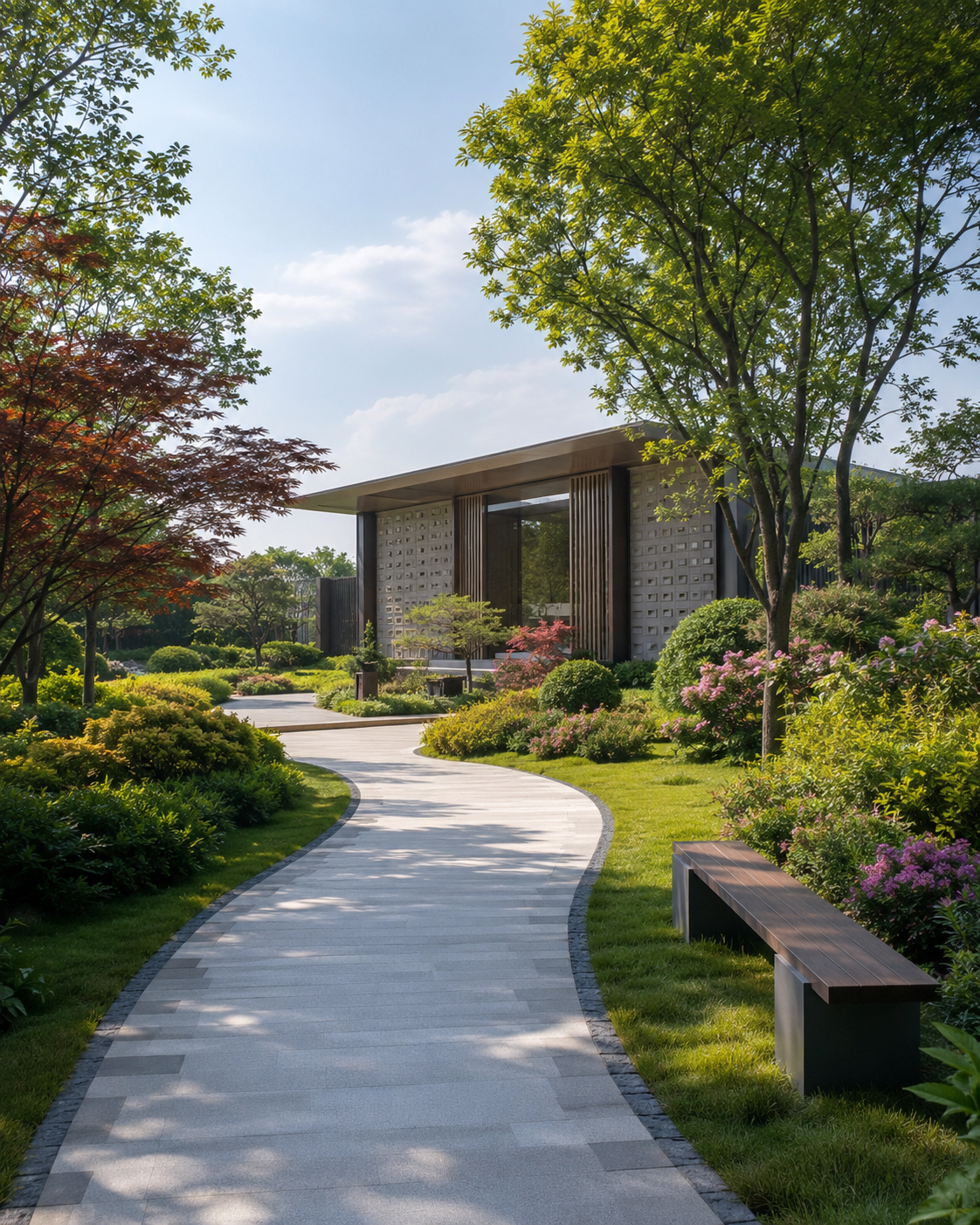
4. Study Vegetation, Sunlight, Wind, and the Atmosphere of the Site
Vegetation can reveal much about the environmental condition of an old grave. Healthy plants, moderate sunlight, fresh air, and a calm atmosphere are generally regarded as positive signs.
Grass, small shrubs, and suitable trees can protect soil, reduce erosion, and make the site feel peaceful. However, vegetation should remain controlled. Thick weeds, thorny plants, dead branches, or invasive roots may damage the grave and block access.
Large trees growing too close to the grave can create several problems. Their roots may lift stones, crack walls, or disturb the ground. Falling branches may damage monuments, while dense canopies may keep the site permanently dark and damp.
Traditional interpretations sometimes associate naturally healthy vegetation with supportive land energy. In contrast, repeated plant death, severe decay, or unusual ground disturbance may be viewed as signs that the environment is unsuitable.
These observations should be approached carefully. Plant health is influenced by soil quality, water availability, pests, disease, sunlight, and climate. It should not be used as the sole basis for judging whether a grave is auspicious or inauspicious.
Wind and sunlight should also be balanced. A site exposed to constant strong wind may feel unstable and uncomfortable. A grave in permanent darkness may become damp and overgrown, while excessive sunlight can dry the soil and cause faster weathering.
The emotional atmosphere of the site is also important. A well-maintained grave in a quiet environment often gives visitors a sense of dignity and peace. A neglected grave surrounded by waste, noise, broken structures, or unsafe paths may create discomfort.
In traditional Feng Shui, this overall feeling is sometimes described as the quality of the site’s Qi. In modern terms, it can be understood as the combined effect of landscape, maintenance, climate, sound, light, and human experience.
5. Consider Family Traditions, Maintenance, and Responsible Remedies
When people believe an old grave has unfavorable Feng Shui, they may immediately consider relocation. However, moving an ancestral grave is a serious decision and should not be the first response to every problem.
Many issues can be improved through practical maintenance. These may include repairing the tombstone, stabilizing the soil, improving drainage, trimming vegetation, cleaning the site, restoring inscriptions, or creating safer access.
Before making changes, families should consult cemetery administrators, local authorities, qualified construction professionals, and respected cultural or religious advisers. Legal permission may be required for structural repairs, excavation, relocation, or reburial.
Family customs should also be respected. Different regions, religions, and family lineages may have different views regarding grave orientation, memorial rituals, restoration, and ancestral ceremonies. A solution that is appropriate for one family may not be suitable for another.
In traditional practice, remedies may include cleaning the grave, repairing damaged structures, adjusting surrounding landscaping, or holding a respectful memorial ceremony. Such actions often have emotional and cultural value because they allow family members to reconnect with their heritage.
It is important to avoid fear-based decisions. Illness, financial difficulty, family conflict, or career problems should not automatically be blamed on an ancestral grave. Human life is influenced by many social, economic, medical, personal, and environmental factors.
A Feng Shui assessment should therefore be used as a cultural reference rather than a guaranteed method of predicting fortune. Responsible practitioners should avoid making extreme claims or pressuring families into expensive and unnecessary work.
The best approach is usually to preserve dignity, improve safety, protect the environment, and maintain respectful family remembrance.
Conclusion
The Feng Shui assessment of an old grave involves more than simply deciding whether a burial direction is lucky or unlucky. It requires a broader examination of landform, structural condition, water movement, roads, vegetation, sunlight, wind, maintenance, and changes in the surrounding environment.
A grave may be considered relatively auspicious when it remains stable, dry, protected, orderly, and peacefully integrated with nature. Potentially unfavorable conditions may include erosion, flooding, structural damage, aggressive construction, blocked surroundings, dead vegetation, poor drainage, or long-term neglect.
However, these signs should not be interpreted as absolute predictions of a family’s future. Old grave Feng Shui belongs to a traditional cultural system, and its meaning should be understood within historical, spiritual, and family contexts.
In many cases, careful maintenance, environmental improvement, and respectful restoration are more appropriate than relocation. Families should combine traditional knowledge with professional engineering advice, legal requirements, cemetery regulations, and practical judgment.
Ultimately, the most meaningful purpose of caring for an old grave is to preserve family memory, honor ancestors, and maintain a dignified connection between past and present generations.