Introduction
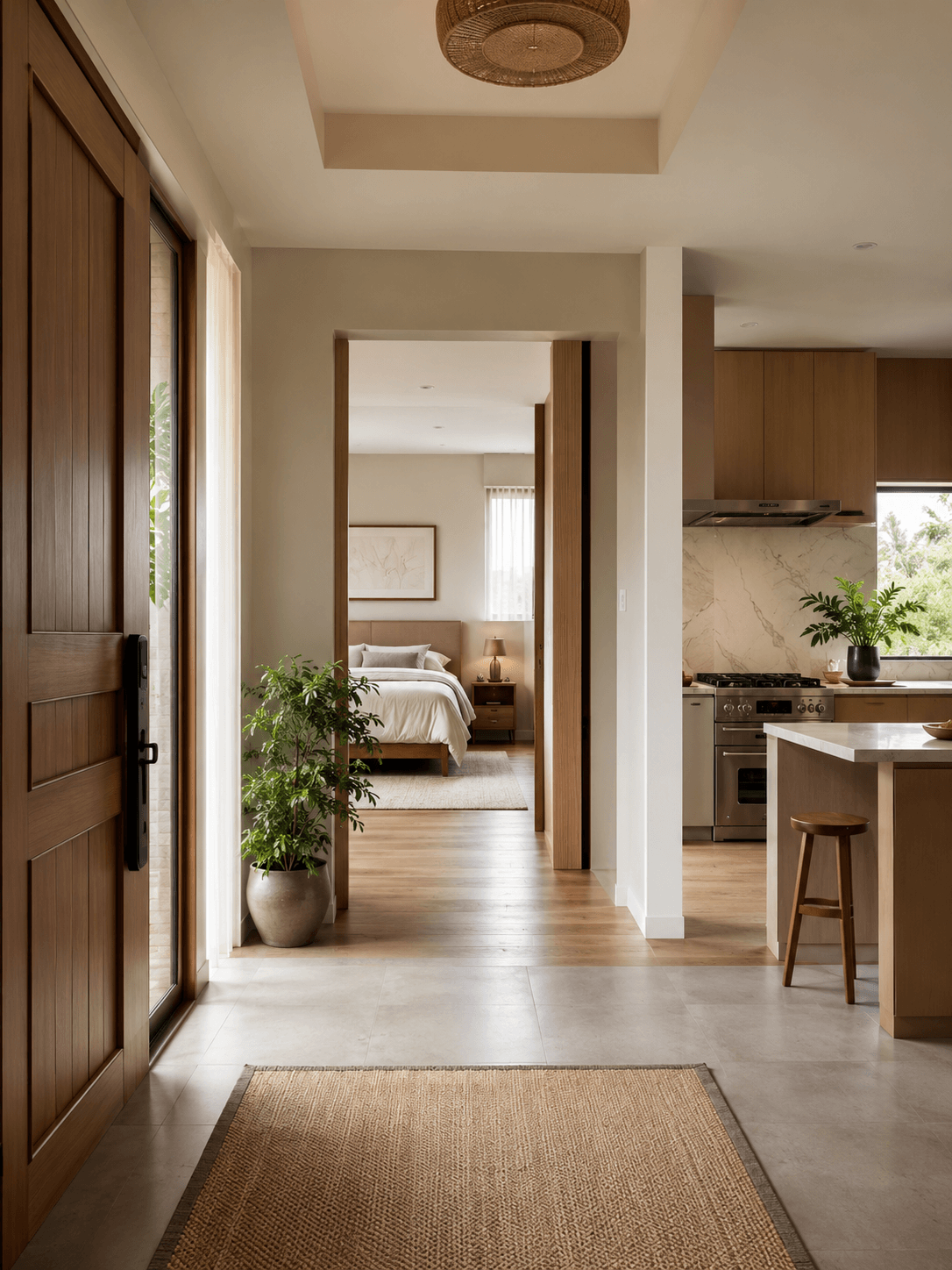
In traditional Chinese residential Feng Shui, the door, master room, and kitchen stove are often described as the three essential elements of a Yang dwelling. This system is commonly known as Men, Zhu, Zao Feng Shui, or the Feng Shui of the entrance, primary room, and stove.
The “door” refers mainly to the principal entrance through which residents, visitors, light, air, and movement enter the home. The “master” refers to the primary living or sleeping area associated with the household’s central occupants. In many modern homes, this is interpreted as the master bedroom, although older Feng Shui traditions may use the term more broadly for the principal room of the residence. The “stove” represents the kitchen and the place where food is prepared.
These three areas are considered important because they correspond to three basic aspects of domestic life: connection with the outside environment, personal rest and stability, and daily nourishment. If the entrance is confusing, the bedroom is uncomfortable, or the kitchen is poorly arranged, the entire home may feel less organized and supportive.
Modern interpretations of door, master room, and kitchen Feng Shui should not rely only on symbolic directions or decorative objects. Practical factors such as natural light, ventilation, privacy, circulation, fire safety, noise, plumbing, cleanliness, and family lifestyle are equally important.
The following five sections explain how to understand and apply Men, Zhu, Zao Feng Shui in modern houses, apartments, villas, and other residential properties.
1. Understand the Role of the Main Entrance in Residential Feng Shui
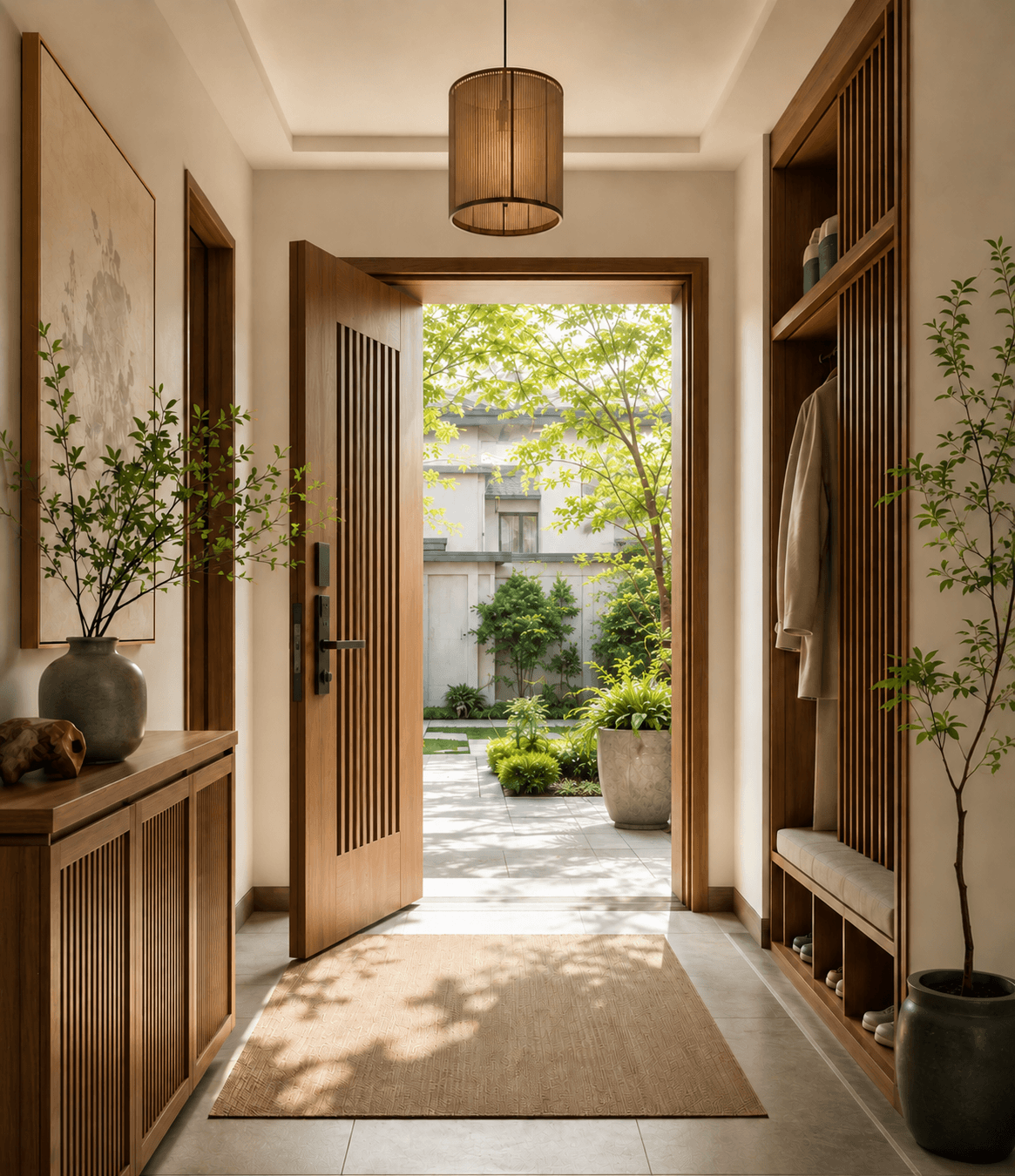
The main entrance is one of the most important areas in traditional home Feng Shui. It is often described as the “mouth of Qi” because it forms the primary connection between the home and the external environment.
In practical terms, the entrance influences first impressions, security, circulation, lighting, airflow, and the transition between public and private space. A well-planned entrance should be clearly visible, easy to access, clean, safe, and proportionate to the size of the home.
The front door should open smoothly without hitting furniture, cabinets, walls, or stored objects. Broken locks, damaged handles, poor lighting, and cluttered entryways should be repaired or cleared promptly. These conditions can create inconvenience and reduce the sense of order inside the residence.
The area outside the entrance should also be considered. Waste bins, dead plants, abandoned furniture, exposed drainage, or large obstacles should not dominate the approach to the home. In detached houses and villas, the path from the gate to the front door should feel clear and comfortable. In apartments, the corridor, elevator lobby, and neighboring doors may influence the entrance environment.
A front door that directly faces a large window, balcony door, or rear exit may create a strong visual and airflow corridor. Traditional Feng Shui interprets this as Qi moving through the home too quickly. A practical remedy may involve using an entrance console, open screen, rug, plant, or lighting transition to define the foyer without completely blocking movement.
The entrance should also provide an appropriate level of privacy. When the entire living room, dining area, or bedroom is immediately visible from the doorway, occupants may feel exposed. A partial divider or thoughtful furniture arrangement can create a more gradual transition.
Good entrance Feng Shui is not simply about the compass direction of the door. It is about whether the entrance supports safety, comfort, privacy, and smooth daily movement.
2. Create Stability and Comfort in the Master Room
The “master” element in Men, Zhu, Zao Feng Shui refers to the primary room associated with the household. In most contemporary residences, this is understood as the master bedroom because it is the main place for sleep, rest, privacy, and physical recovery.
A well-arranged bedroom should feel quieter and more protected than the public areas of the home. It is generally preferable for the master bedroom to be located away from the main entrance, busy living room, elevator, garage, kitchen exhaust system, or heavily trafficked road.
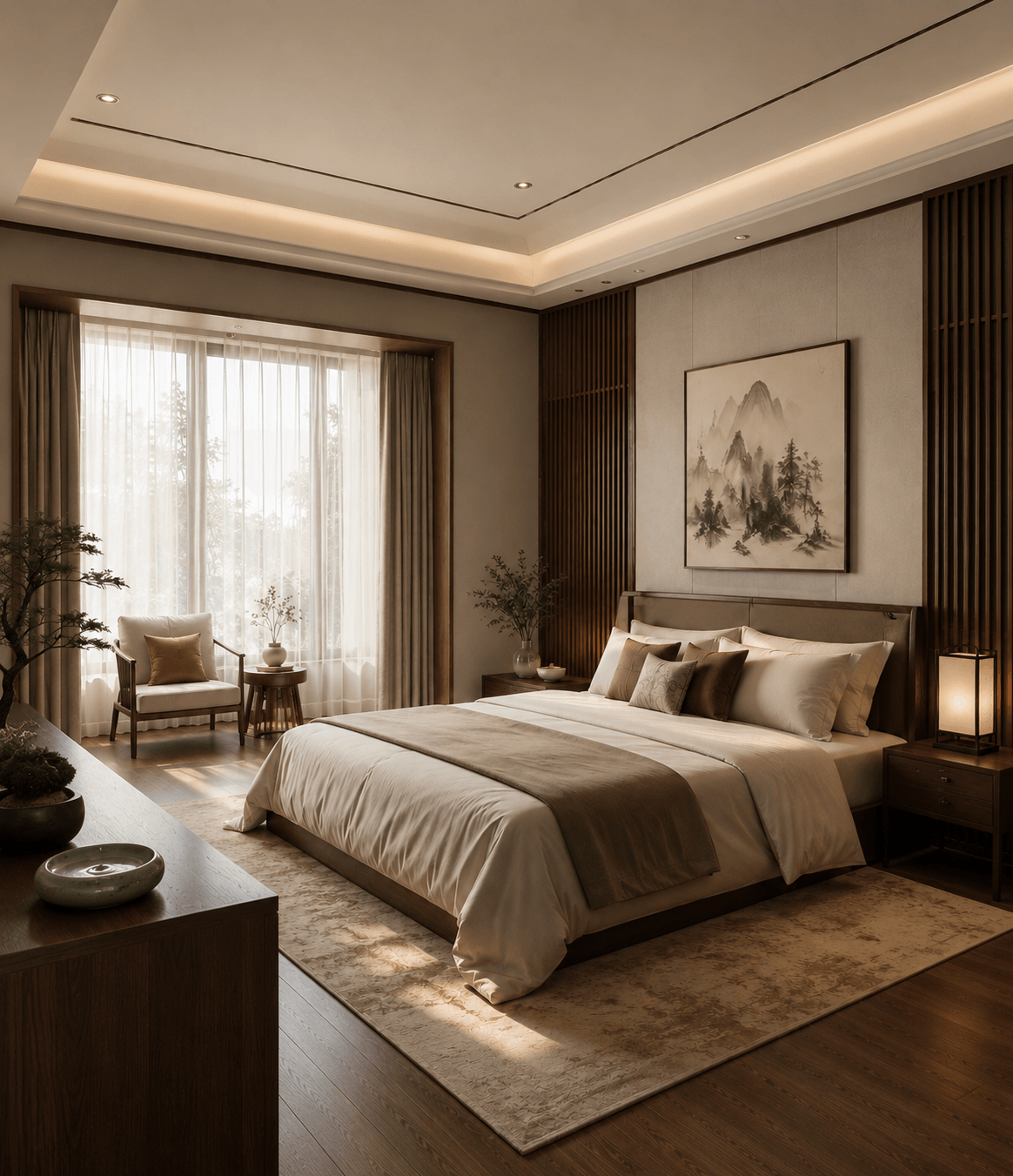
The bed is the most important piece of furniture in the room. It should have a stable headboard and should ideally rest against a solid wall. A bed placed directly beneath a window may feel less protected and may be affected by drafts, temperature changes, outdoor noise, and early morning light.
The bed should not block the bedroom door, wardrobe, balcony, or main circulation route. A practical position allows the occupant to see the door while lying in bed without being directly aligned with it.
Large mirrors facing the bed may create reflections, light movement, and visual activity that disturb some sleepers. Mirrors can still be used in a bedroom, but their placement should support comfort rather than create unnecessary distraction.
Ceiling beams, very low ceilings, or heavy overhead cabinets above the bed may create a feeling of pressure. In modern interior design, this concern can be addressed by changing the bed position, using a ceiling treatment, or avoiding heavy storage above the sleeping area.
Lighting should be adjustable. Bright task lighting may be useful during the day, while softer lighting supports relaxation in the evening. Blackout curtains, acoustic materials, and controlled air-conditioning can further improve sleep quality.
The bedroom should not become a storage room, office, gym, and entertainment space at the same time unless the home is very small. Too many competing functions can weaken the room’s sense of rest.
Good master room Feng Shui is created through privacy, stability, quietness, balanced light, healthy ventilation, and a clear focus on sleep and recovery.
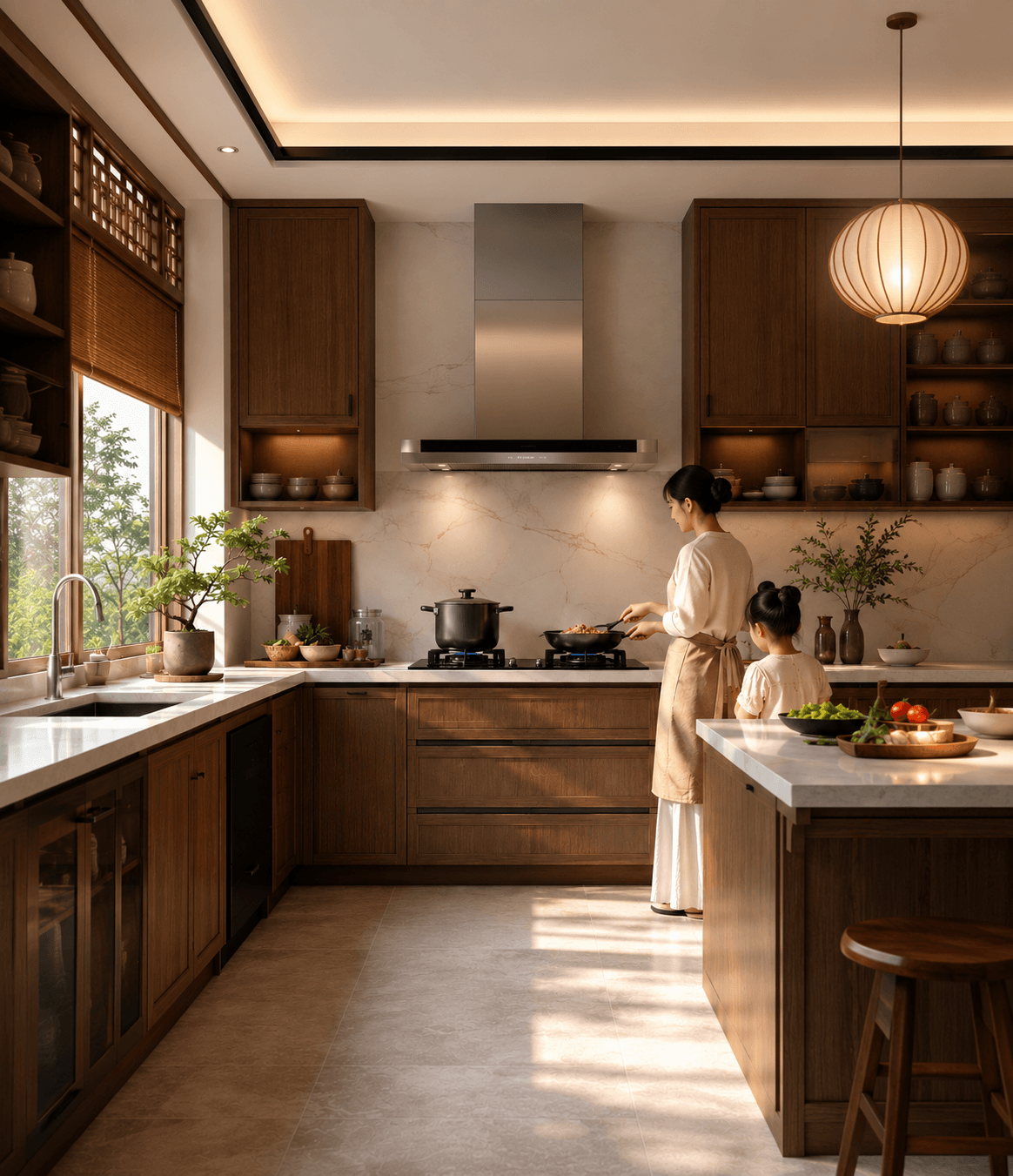
3. Arrange the Kitchen and Stove for Safety and Nourishment
The stove is the third essential element in traditional residential Feng Shui. It represents cooking, nourishment, household resources, and the daily preparation of food.
In modern homes, stove Feng Shui should be understood as part of the entire kitchen environment. The kitchen should be clean, well ventilated, easy to maintain, and arranged according to a safe working sequence.
The stove should not be placed where strong wind blows directly from a door or window. Drafts can interfere with gas flames, cooking temperature, and kitchen safety. Even with electric or induction cooking, a stove positioned in a busy passage may create collision risks.
Traditional Feng Shui often discusses the relationship between the stove and the sink as a balance between fire and water. From a practical perspective, the stove, sink, and refrigerator should have sufficient working space between them. Crowding these functions together can make food preparation inefficient and unsafe.
The stove should not be positioned directly beside a bathroom door, waste area, or exposed drain. Hygiene, odor control, and separation between clean and unclean functions are more important than decorative Feng Shui remedies.
A kitchen located directly at the entrance may expose cooking smoke, heat, and storage to visitors. Where this layout cannot be changed, a glass partition, ventilation system, sliding door, or visual screen can provide separation.
The cook should ideally be able to understand what is happening around the kitchen without standing with their back completely exposed to a busy doorway. In an open-plan home, an island or adjusted stove position may improve both visibility and communication.
Lighting is also essential. Work surfaces, knives, cooking equipment, and food ingredients should be clearly visible. Natural light is beneficial, but excessive direct sunlight may overheat the kitchen or affect food storage.
Leaking taps, damaged burners, blocked drains, expired ingredients, and cluttered counters should be addressed quickly. A clean and functional kitchen better represents the traditional idea of stable household nourishment.
4. Coordinate the Relationship Between the Door, Master Room, and Stove
Men, Zhu, Zao Feng Shui is not only about evaluating three separate spaces. The relationship among the entrance, master room, and kitchen is equally important.
The entrance should guide people into the home without exposing the bedroom or kitchen too directly. A master bedroom door facing the main entrance may reduce privacy and allow noise, light, and movement to enter the sleeping area.
When the kitchen or stove is immediately visible from the front door, the home may feel overly exposed. Practical solutions include changing the kitchen doorway, using a partial divider, installing a sliding door, or creating a stronger entrance zone.
The bedroom should also be protected from cooking smoke, heat, mechanical noise, and food odors. In small apartments, the master bedroom may share a wall with the kitchen. Sound insulation, effective ventilation, and careful appliance placement can reduce disturbance.
A stove located directly against the wall behind the bed may create concerns related to heat, sound, pipes, and appliance vibration. Where possible, the bed and major cooking appliances should not occupy corresponding positions on opposite sides of the same thin partition.
Circulation among the entrance, kitchen, dining area, and bedrooms should remain logical. Residents should not need to carry groceries through private bedrooms, and visitors should not pass through the kitchen to reach the living room.
In multi-story houses, vertical relationships should also be considered. A bathroom directly above a stove may create plumbing and maintenance risks, while a bedroom above a noisy kitchen may be affected by late-night activity.
Traditional Feng Shui schools sometimes compare the compass directions of the door, master room, and stove. Such systems can be culturally meaningful, but they should not override structural limitations, safety standards, or actual family needs.
The most harmonious relationship is achieved when the entrance welcomes movement, the bedroom protects rest, and the kitchen supports nourishment without the three functions interfering with one another.
5. Adapt Men, Zhu, Zao Feng Shui to Modern Homes
Traditional Men, Zhu, Zao principles were developed in architectural environments that were very different from modern urban housing. Contemporary apartments, townhouses, lofts, and open-plan homes often have fixed entrances, compact kitchens, shared walls, elevators, balconies, and limited renovation options.
For this reason, modern application should focus on improving conditions rather than searching for a theoretically perfect layout.
In a small apartment, the entrance may open directly into the living and dining area. A rug, lighting change, slim console, or open shelf can create a recognizable entry zone without consuming too much space.
In a studio or loft, the bed and kitchen may occupy the same open room. Curtains, shelving, glass partitions, raised platforms, and different lighting schemes can define sleeping and cooking zones.
For open kitchens, strong ventilation is essential. Cooking smoke and odors should not spread continuously into the bedroom or main seating area. An extractor hood, operable windows, and easy-to-clean surfaces can improve the environment.
In a townhouse or villa, there may be more freedom to adjust the gate, entrance, kitchen, and bedroom layout. However, larger homes also require more attention to unused rooms, long corridors, vertical circulation, garden access, security, and maintenance.
Household needs may also change over time. The original master bedroom may become unsuitable for elderly residents, while a kitchen may need to be redesigned for accessibility or a larger family. Feng Shui should support these practical changes rather than prevent them.
Regular maintenance remains essential. A favorable direction cannot compensate for mold, poor ventilation, leaking pipes, damaged doors, unsafe wiring, or constant clutter.
Modern Men, Zhu, Zao Feng Shui works best as a method for reviewing how the main entrance, primary room, and kitchen support everyday life. It encourages homeowners to examine whether the home feels welcoming, restful, nourishing, organized, and safe.
Conclusion
Door, master room, and kitchen Feng Shui is one of the best-known frameworks in traditional Chinese Yang House Feng Shui. It focuses on three essential areas of residential life: the main entrance, the household’s primary room, and the kitchen stove.
The entrance influences access, privacy, airflow, and the transition between the outside world and the home. The master room supports rest, personal stability, and private family life. The kitchen and stove represent food preparation, daily nourishment, hygiene, and household operation.
These three elements should not be assessed independently. Their positions, circulation routes, visual connections, noise levels, light, ventilation, and functional relationships all influence the quality of the living environment.
Traditional directional systems may provide cultural guidance, but modern residential Feng Shui should also consider architecture, fire safety, plumbing, accessibility, energy efficiency, and the real needs of the occupants.
Ultimately, good Men, Zhu, Zao Feng Shui is not created through symbolic objects alone. It is created when the entrance feels clear and welcoming, the primary room feels peaceful and protected, and the kitchen remains clean, safe, and efficient.
When these three essential areas work together, the home is more likely to feel balanced, practical, and supportive of long-term family life.